David
David
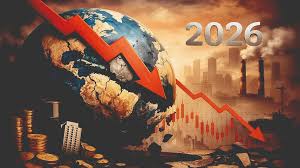
The environment is the foundation of all life on Earth. It provides the air we breathe, the water we drink, the food we eat, and the natural systems that support human existence. In recent decades, environmental issues have become one of the most critical global concerns. Rapid industrialization, population growth, and unsustainable consumption have placed enormous pressure on natural resources, making environmental protection more important than ever.
One of the greatest environmental challenges today is climate change. Rising global temperatures, melting ice caps, extreme weather events, and changing ecosystems are clear indicators that the planet is under stress. These changes affect agriculture, wildlife, human health, and economic stability. Climate change is not only an environmental issue but also a social and moral one, as its consequences disproportionately impact vulnerable communities and future generations.
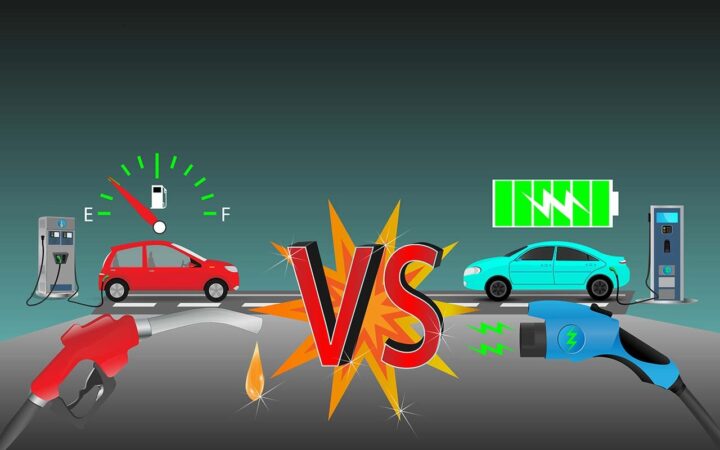
Another major concern is pollution. Air, water, and soil pollution have reached alarming levels in many parts of the world. Industrial waste, plastic pollution, and chemical runoff contaminate rivers and oceans, harming marine life and entering the food chain. Air pollution caused by vehicles and factories contributes to respiratory diseases and millions of premature deaths each year. Protecting the environment means reducing pollution through cleaner energy sources, responsible waste management, and stricter environmental regulations.
Deforestation is also a serious threat to the environment. Forests play a crucial role in regulating the climate, preserving biodiversity, and absorbing carbon dioxide from the atmosphere. Large-scale deforestation for agriculture, urban development, and logging destroys natural habitats and accelerates climate change. Protecting forests is essential for maintaining ecological balance and supporting indigenous communities who depend on them for survival.
Biodiversity loss is another pressing issue. Plants and animals are becoming extinct at an unprecedented rate due to habitat destruction, pollution, and climate change. Every species plays a role in maintaining ecosystem stability. When biodiversity declines, ecosystems become weaker and less resilient to environmental changes. Preserving wildlife and natural habitats is not only an ethical responsibility but also vital for the survival of human society.
Environmental protection also requires individual responsibility. Small actions such as reducing waste, recycling, conserving water, and using energy efficiently can collectively make a significant impact. Choosing sustainable products, reducing plastic use, and supporting environmentally responsible companies contribute to a healthier planet. Education and awareness are key to encouraging people to adopt environmentally friendly habits.
Governments and organizations play an equally important role. Strong environmental policies, investment in renewable energy, and international cooperation are necessary to address global environmental challenges. Sustainable development aims to balance economic growth with environmental protection, ensuring that future generations can meet their needs without compromising the planet’s resources.
In conclusion, protecting the environment is essential for the survival and well-being of all living beings. Environmental problems are interconnected and require collective action at local, national, and global levels. By respecting nature and adopting sustainable practices, humanity can create a healthier, more balanced world. The future of the planet depends on the choices we make today, and protecting the environment is one of the most important responsibilities of our time.