David
David
Introduction
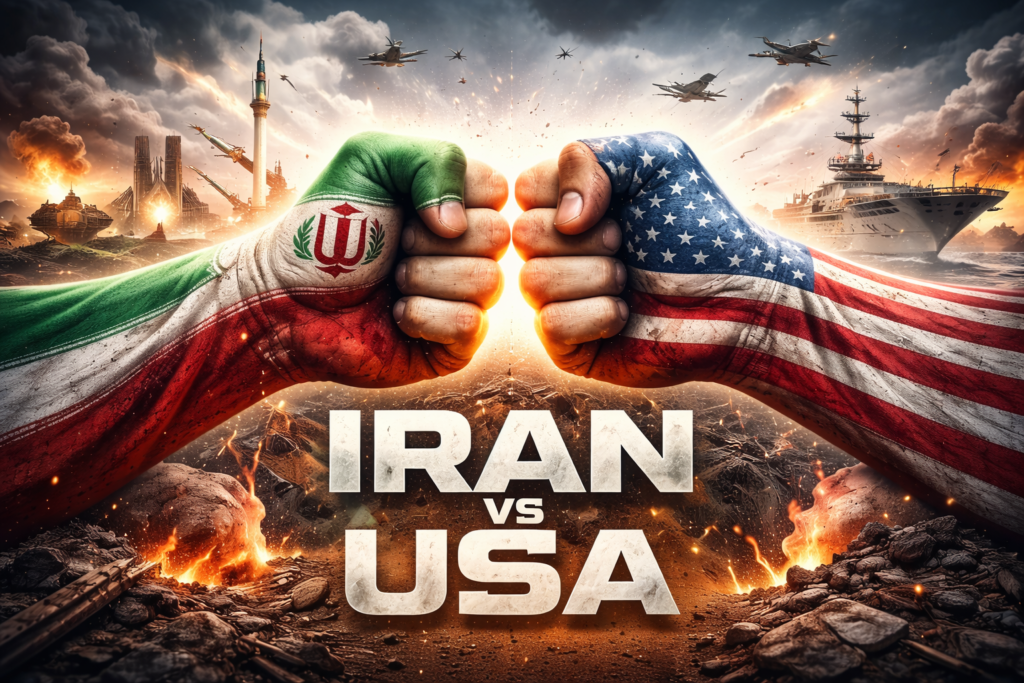
The relationship between Iran and the United States remains one of the most complex and volatile geopolitical dynamics of the 21st century. Over decades, this relationship has swung between cautious diplomatic engagement and dramatic escalation, impacting not only the Middle East but global security, energy markets, and international economic stability. As of early 2026, renewed tensions, military posturing, and diplomatic talks once again make headlines, following years of sanctions, conflicts, and failed agreements.
This article explores the current state of Iran–U.S. relations, analyzing recent events, underlying causes, and potential future trajectories. It provides a comprehensive explanation suitable for understanding why the situation matters — politically, economically, and socially.
Historical Context
To understand today’s situation, it’s important to look at the broader historical dynamics:
- 1979 Iranian Revolution: This pivotal event ended the pro-Western monarchy and established an Islamic Republic, fundamentally altering relations with the United States. Since then, tensions have been driven by ideological differences and rival interests in the Middle East.
- Nuclear Dispute: Over the past two decades, Iran’s nuclear program has been another core source of conflict. The U.S. and its allies fear that Iran aims to develop nuclear weapons, while Iran insists its program is for peaceful energy purposes.
- Sanctions and Isolation: The U.S. has imposed multiple rounds of economic sanctions on Iran, targeting its oil exports and financial sectors, which has severely affected Iran’s economy and international trade.
Although direct conflict has not been constant, tensions have waxed and waned. The story today is shaped by long-standing mistrust, power struggles in the Middle East, and shifting diplomatic strategies.
<script async src="https://pagead2.googlesyndication.com/pagead/js/adsbygoogle.js?client=ca-pub-9697924012479877"
     crossorigin="anonymous"></script>
Why Iran–U.S. Relations Matter Globally
The importance of this geopolitical situation extends far beyond Tehran and Washington:1. Strategic Location and Energy Markets
Iran lies at the heart of the Middle East, controlling strategic waterways like the Strait of Hormuz, through which a significant portion of the world’s oil supply passes. Instability in the region can trigger volatility in oil and gas markets worldwide, affecting energy prices and global inflation.
2. Regional Security and Alliances
Iran’s relationships with groups like Hezbollah in Lebanon, militias in Iraq, the Houthis in Yemen, and political influence in Syria position it as a central power broker in regional conflicts. The U.S., on the other hand, maintains military alliances with Gulf states and Israel, creating overlapping spheres of influence that often clash.
3. Nuclear Nonproliferation
Iran’s nuclear program remains a flashpoint. A nuclear-armed Iran would dramatically shift the strategic balance in the Middle East and challenge decades of U.S.-led nonproliferation efforts. As a result, Washington prioritizes diplomatic and economic pressure to limit Iran’s capabilities.
<script async src="https://pagead2.googlesyndication.com/pagead/js/adsbygoogle.js?client=ca-pub-9697924012479877"
     crossorigin="anonymous"></script>
Recent Developments: Tensions and Talks
Indirect Talks in Oman
In early February 2026, indirect talks between Iranian and U.S. officials took place in Muscat, Oman, facilitated by Omani mediators. These discussions focused primarily on Iran’s nuclear program, with the goal of reducing regional tensions and creating conditions for broader diplomatic engagement. Iran described the outcome as a “good start”, although the talks were limited in scope and did not address all contentious issues.
Iran’s Foreign Minister, Abbas Araghchi, affirmed that both sides agreed to continue negotiations under certain conditions, expressing cautious optimism despite deep-rooted mistrust. The U.S. delegation included key envoys, highlighting Washington’s commitment to exploring diplomatic avenues alongside its firm stance on nuclear restrictions.
Sanctions Continue
Despite the diplomatic engagement, the U.S. imposed new sanctions on Iran’s oil and petrochemical sectors immediately after the talks concluded. These measures targeted companies involved in Iran’s oil trade, underscoring the continued pressure strategy from Washington.
Sanctions remain a key tool for the U.S., aiming to limit Iran’s economic resources and reduce its capacity to fund regional proxies and nuclear development.
Military Posturing and Escalations
Tensions are not limited to diplomacy and sanctions. Recent incidents have included:
- A U.S. military jet shooting down an Iranian drone near the USS Abraham Lincoln aircraft carrier in the Arabian Sea, marking a serious escalation in military contact.
- Heightened U.S. military presence in the Middle East, including warships, air support, and logistical deployments aimed at deterring further aggressive actions.
These developments reflect the dangerous juxtaposition of diplomatic engagement alongside a potent military standoff.
Warnings and Domestic Unrest
The U.S. State Department has issued warnings urging American citizens to leave Iran due to volatility, highlighting safety concerns amid political instability.
Inside Iran, there is significant domestic unrest, with reports of large-scale protests and crackdowns that have resulted in tens of thousands of casualties, according to independent and internal records. This internal instability adds another layer of complexity to Iran’s foreign policy and its negotiations with the U.S.
Core Points of Disagreement
Despite ongoing diplomacy, several central issues remain unresolved:
1. Nuclear Program and Inspections
The U.S. demands strict limits and verifiable inspections on Iran’s nuclear capabilities, fearing that enriched uranium could be converted into weapons-grade material. Iran insists its program is peaceful and seeks recognition of its right to nuclear energy.
2. Missile Program and Defense Systems
Washington also wants Iran to limit its ballistic missile development — a significant component of its military strategy — while Tehran sees this as a sovereign right and essential for its defense.
3. Regional Influence and Proxy Groups
The U.S. views Iran’s support for allied militias and political movements across the Middle East as destabilizing. Tehran sees these alliances as a strategic defense against external threats, especially in countries with U.S. influence.
4. Sanctions Relief
Iran continues to demand relief from sanctions that have deeply impacted its economy — particularly in oil exports and foreign investments. Washington has tied any sanctions relief to concrete concessions, especially related to nuclear and security issues.
Potential Outcomes and Implications
1. Continued Diplomatic Engagement
The best-case scenario is an expansion of talks, where negotiations broaden to address not only nuclear issues but also missile programs, sanctions relief, and regional security.
If both sides build trust and agree on a phased plan, peace and stability could improve, though this would require significant compromise.
2. Prolonged Stalemate
A more likely near-term outcome is a stalemate. Both nations have entrenched positions and domestic political pressures. Iran’s leadership is wary of conceding too much, while the U.S. remains cautious about loosening sanctions without solid guarantees.
3. Military Escalation
The most dangerous path is unintended or deliberate military conflict. Escalation could be triggered by miscalculation, proxy actions, or failed diplomacy. Such a conflict would have severe regional and global consequences, including:
- Disruption of global oil markets and spikes in energy prices
- A broader regional war involving U.S. allies like Israel and Saudi Arabia
- Increased refugee flows and humanitarian crises
- Economic shocks in international markets
Conclusion
The current situation between Iran and the United States represents a precarious mix of diplomacy and confrontation. While recent indirect talks signal a willingness to engage, deep-rooted mistrust, opposing strategic demands, and ongoing military tension make the path forward unpredictable.
This moment underscores the complexity of modern geopolitics, where communication, economic pressure, and security concerns are deeply intertwined. The world watches closely, hoping that dialogue will prevail over conflict — but the risks and implications are profound for the Middle East and beyond.