David
David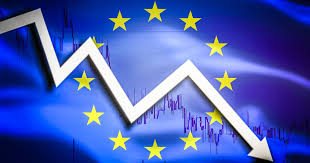
Introduction
Europe is currently navigating one of the most demanding economic periods in recent decades. The continent faces a complex combination of high inflation, slow economic growth, energy market uncertainty, geopolitical tensions, and structural changes in labor markets. While Europe has shown resilience through previous crises, including the COVID-19 pandemic and the global financial crisis, the current situation presents new and interconnected challenges that affect governments, businesses, and households alike.
This article provides an in-depth overview of the current economic situation in Europe, exploring key factors such as inflation, energy costs, interest rates, employment trends, public debt, and regional disparities. It also examines how these challenges shape Europe’s economic outlook and what the future may hold.
Economic Growth and Overall Performance
Economic growth across Europe has slowed considerably. Many European economies are experiencing modest or near-stagnant growth, with some countries facing technical recessions. Several factors contribute to this slowdown, including reduced consumer spending, tighter financial conditions, and weaker global demand.
The European Union’s economy remains highly interconnected, meaning that economic weakness in one major country can quickly spread to others. Germany, traditionally considered Europe’s economic engine, has struggled with reduced industrial output, supply chain disruptions, and declining exports. Southern European countries, while benefiting from tourism recovery, continue to face structural issues such as high public debt and low productivity growth.
Overall, Europe’s economic performance remains fragile, and recovery is uneven across regions.
Inflation and the Cost of Living Crisis
Inflation has been one of the most pressing economic issues in Europe. Rising prices for food, energy, housing, and essential goods have placed significant pressure on households. Although inflation rates have eased in some countries compared to previous peaks, the cost of living remains high for millions of Europeans.
Energy prices played a central role in driving inflation, particularly following disruptions in gas and oil supplies. Higher transportation and production costs have been passed on to consumers, making everyday expenses more difficult to manage. Wage growth, while present in many countries, has often lagged behind inflation, leading to a decline in real purchasing power.
Governments have responded with subsidies, tax reductions, and social assistance programs, but these measures come at a high fiscal cost and are not always sustainable in the long term.
<script async src="https://pagead2.googlesyndication.com/pagead/js/adsbygoogle.js?client=ca-pub-9697924012479877"
     crossorigin="anonymous"></script>
Energy Crisis and Its Economic Impact
Europe’s energy market has been a major source of economic uncertainty. The reduction in energy supplies, combined with geopolitical tensions, forced European countries to rapidly diversify energy sources and invest in alternative solutions.
While energy prices have stabilized compared to previous extremes, they remain higher than historical averages. This has significantly affected energy-intensive industries such as manufacturing, chemicals, and metallurgy. Many companies have reduced production or relocated operations to regions with lower energy costs.
At the same time, the crisis has accelerated Europe’s transition toward renewable energy. Investments in wind, solar, and energy efficiency have increased, creating new opportunities but also requiring substantial financial resources.
Monetary Policy and Interest Rates
To combat inflation, the European Central Bank (ECB) implemented a series of interest rate increases. This marked a major shift after years of low or negative interest rates designed to stimulate growth.
Higher interest rates have helped reduce inflationary pressure, but they also made borrowing more expensive for households, businesses, and governments. Mortgage costs have risen sharply, affecting the housing market and reducing demand for new construction.
Small and medium-sized enterprises (SMEs), which form the backbone of Europe’s economy, face greater difficulty accessing affordable credit. As a result, investment and expansion plans have been delayed or canceled in many sectors.
Labor Markets and Employment Trends
Despite economic challenges, Europe’s labor markets have remained relatively resilient. Unemployment rates in many EU countries remain low, and labor shortages persist in sectors such as healthcare, construction, information technology, and skilled trades.
Demographic changes, including aging populations and lower birth rates, are contributing to long-term labor shortages. At the same time, migration continues to play a critical role in filling workforce gaps, though it remains a politically sensitive issue in many countries.
The rise of remote and flexible work has reshaped labor markets, offering new opportunities but also creating inequality between workers who can work remotely and those in traditional sectors.
Public Debt and Fiscal Pressures
Public debt levels across Europe increased significantly due to pandemic-related spending and economic support measures. While debt was initially manageable due to low interest rates, rising borrowing costs have increased fiscal pressure on governments.
Highly indebted countries face difficult choices between maintaining social spending, investing in infrastructure, and ensuring fiscal stability. The challenge lies in balancing economic support with long-term sustainability.
The European Union continues to play a key role through joint funding initiatives and recovery programs, aiming to support growth while encouraging reforms.
Regional Differences Within Europe
Europe’s economic situation is far from uniform. Northern and Western European countries generally have stronger fiscal positions and more diversified economies. In contrast, Southern and Eastern European countries often face higher unemployment, lower wages, and greater vulnerability to external shocks.
Eastern Europe, while benefiting from manufacturing investments and EU integration, remains sensitive to geopolitical risks and energy market fluctuations. Southern Europe relies heavily on tourism, which can be volatile during global economic downturns.
These regional differences highlight the importance of coordinated economic policies at the European level.
Impact of Geopolitical Tensions
Geopolitical instability has further complicated Europe’s economic environment. Conflicts and global power rivalries have disrupted trade routes, increased defense spending, and reduced investor confidence.
Sanctions, trade restrictions, and supply chain realignments have reshaped Europe’s economic relationships with key partners. While these measures aim to enhance security and resilience, they also increase costs for businesses and consumers.
Technological Change and Digital Transformation
Digitalization continues to transform Europe’s economy. Investments in artificial intelligence, automation, and digital infrastructure are reshaping industries and improving productivity.
However, technological progress also raises concerns about job displacement and skills mismatches. Without sufficient investment in education and training, segments of the workforce may struggle to adapt to new economic realities.
Future Outlook for the European Economy
Looking ahead, Europe faces a challenging but not hopeless economic future. The continent’s strengths include a highly skilled workforce, advanced infrastructure, and strong institutions. However, long-term growth will depend on addressing structural weaknesses, improving productivity, and managing demographic change.
Key priorities include:
- Controlling inflation without stifling growth
- Ensuring affordable and secure energy supplies
- Supporting innovation and digital transformation
- Maintaining social cohesion and reducing inequality
If these challenges are addressed effectively, Europe can emerge more resilient and competitive.
Conclusion
The current economic situation in Europe reflects a period of transition and uncertainty. High inflation, energy challenges, tighter monetary policy, and geopolitical risks have created significant pressure on economies across the continent. At the same time, Europe has demonstrated adaptability through policy coordination, investment in sustainability, and technological innovation.
While the short-term outlook remains cautious, Europe’s long-term prospects depend on its ability to balance stability with reform. The decisions made today will shape the continent’s economic future for decades to come.