David
David
The global economy in the mid-2020s is experiencing one of the most complex and transformative periods in modern history. Following the profound disruptions caused by the COVID-19 pandemic, geopolitical conflicts, climate-related challenges, and rapid technological advancements, the world’s economic systems are under intense pressure to adapt. Governments, businesses, and individuals alike are facing uncertainty, rising costs, and shifting labor markets, while simultaneously navigating opportunities created by digitalization and green innovation.
This article provides a detailed overview of the current state of the global economy, examining key factors such as inflation, interest rates, employment trends, energy markets, technological transformation, and geopolitical tensions. It also explores regional differences and offers insights into what the future may hold for the global economic landscape.
Post-Pandemic Economic Recovery
The global economy is still dealing with the long-term effects of the COVID-19 pandemic. While many countries have recovered in terms of GDP growth, the recovery has been uneven. Developed economies generally rebounded faster due to strong government stimulus packages, advanced healthcare systems, and access to vaccines. In contrast, many developing and emerging economies continue to struggle with debt, weakened healthcare infrastructure, and reduced foreign investment.
Supply chains were severely disrupted during the pandemic, exposing vulnerabilities in global trade networks. Although many of these supply chains have stabilized, companies are now rethinking their reliance on single suppliers or specific regions. This has led to a shift toward diversification, nearshoring, and reshoring, which may improve resilience but also increase costs.
Inflation and Cost of Living Crisis
One of the most pressing economic issues today is inflation. Rising prices for food, energy, housing, and basic consumer goods have significantly affected households worldwide. Inflation surged due to a combination of factors, including supply chain disruptions, increased demand after lockdowns, expansive monetary policies, and energy market instability.
For many people, wages have not increased at the same pace as prices, leading to a decline in real purchasing power. This has resulted in a global cost-of-living crisis, particularly affecting low- and middle-income households. Governments have attempted to mitigate the impact through subsidies, tax relief, and social support programs, but these measures often strain public budgets.
Interest Rates and Monetary Policy
In response to rising inflation, central banks around the world have adopted tighter monetary policies. Interest rates have increased significantly compared to the historically low levels seen during the pandemic. The goal of these rate hikes is to reduce inflation by slowing down borrowing and spending.
However, higher interest rates come with trade-offs. While they may help stabilize prices, they also increase the cost of loans for businesses and consumers. This can slow economic growth, reduce investment, and impact sectors such as real estate and construction. Developing countries are particularly vulnerable, as higher global interest rates make it more expensive to service foreign-denominated debt.
Labor Markets and Employment Trends
Labor markets have undergone significant changes in recent years. Many economies are experiencing low unemployment rates, yet employers still face labor shortages in key sectors such as healthcare, technology, logistics, and skilled trades. This paradox is partly due to demographic shifts, changes in worker preferences, and mismatches between available skills and job requirements.
Remote and hybrid work models, accelerated by the pandemic, have become a permanent feature of the modern workplace. While this has increased flexibility and productivity for some, it has also raised concerns about job security, work-life balance, and inequality between workers who can work remotely and those who cannot.
Technological Transformation and Digital Economy
Technology continues to be a powerful driver of economic change. Artificial intelligence, automation, blockchain, and data analytics are reshaping industries and redefining productivity. The digital economy has expanded rapidly, creating new business models, markets, and employment opportunities.
However, technological progress also brings challenges. Automation threatens to replace certain jobs, particularly low-skilled and repetitive roles. Without adequate investment in education and reskilling, technological inequality could widen, leaving parts of the population economically marginalized.
Energy Markets and Climate Challenges
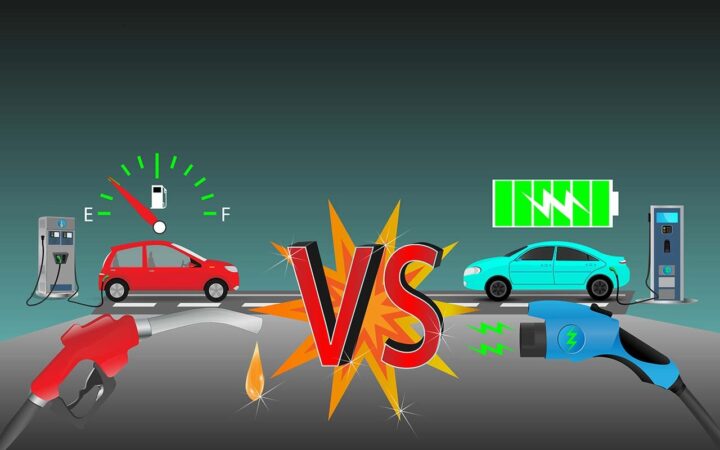
Energy remains a central issue in the global economy. Volatile oil and gas prices, combined with the urgency of addressing climate change, have accelerated the transition toward renewable energy sources. Governments and corporations are investing heavily in solar, wind, and electric mobility to reduce dependence on fossil fuels and improve energy security.
Despite progress, the transition is not without obstacles. Renewable energy infrastructure requires significant upfront investment, and many countries still rely heavily on traditional energy sources. Climate-related disasters such as floods, droughts, and wildfires also pose increasing economic risks, disrupting agriculture, infrastructure, and supply chains.
Geopolitical Tensions and Global Trade
Geopolitical instability has become a defining feature of the current economic environment. Conflicts, trade disputes, and sanctions have disrupted global markets and contributed to uncertainty. Tensions between major economic powers have led to protectionist policies, reducing the efficiency of global trade and increasing costs for consumers and businesses.
At the same time, regional trade agreements and strategic alliances are reshaping global commerce. Countries are increasingly prioritizing economic security over pure efficiency, which may lead to a more fragmented global economy.
Public Debt and Fiscal Challenges
Government debt has increased significantly in recent years due to pandemic-related spending and economic support measures. While low interest rates initially made this debt manageable, rising rates have increased the cost of servicing public debt.
High debt levels limit governments’ ability to respond to future crises and invest in long-term development. Fiscal discipline, structural reforms, and efficient public spending will be crucial to maintaining economic stability.
Regional Economic Differences
The global economy does not move uniformly. North America and parts of Europe have shown resilience, supported by strong consumer demand and innovation. Asia remains a key growth engine, although some economies face slowing growth due to structural challenges and demographic trends.
Africa and parts of Latin America face more significant obstacles, including limited access to capital, political instability, and climate vulnerability. Addressing these disparities is essential for sustainable global growth.
Future Outlook and Conclusion
Looking ahead, the global economy faces a delicate balancing act. Policymakers must control inflation without triggering deep recessions, support innovation while protecting workers, and address climate change without compromising growth. Collaboration between governments, businesses, and international institutions will be essential.
While uncertainty remains high, the current period also presents opportunities. Technological innovation, green investments, and a renewed focus on resilience can lay the foundation for a more inclusive and sustainable global economy.
In conclusion, the current state of the global economy reflects both significant challenges and remarkable adaptability. How the world responds to these pressures will shape economic prosperity for decades to come.