David
David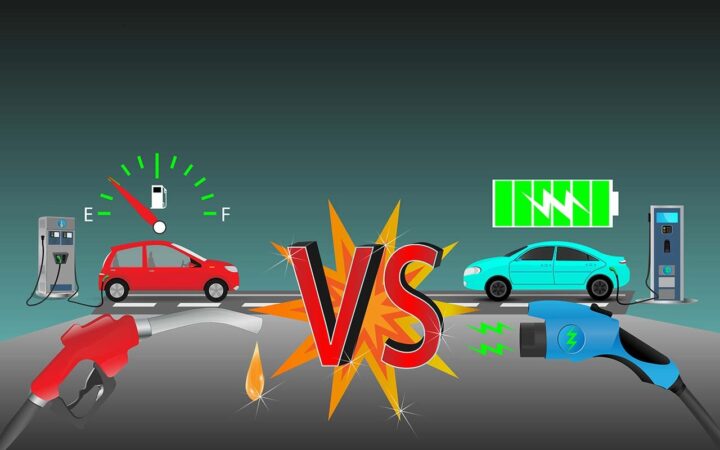
The global automotive industry is undergoing a major transformation as electric vehicles (EVs) rapidly gain popularity. While diesel and gasoline cars have dominated the roads for decades, growing environmental concerns, technological advancements, and economic factors are shifting consumer preferences toward electric mobility. A detailed analysis shows that electric cars offer significant advantages over traditional internal combustion engine vehicles.
One of the most important reasons why electric cars are superior is their environmental impact. Diesel and gasoline vehicles rely on fossil fuels, which produce carbon dioxide and other harmful emissions during combustion. These emissions contribute to air pollution, climate change, and serious health problems such as respiratory diseases. In contrast, electric cars produce zero tailpipe emissions. When powered by renewable energy sources such as solar or wind, EVs significantly reduce the overall carbon footprint and help create cleaner, healthier cities.
From an analytical standpoint, energy efficiency strongly favors electric vehicles. Internal combustion engines are inherently inefficient, converting only a small percentage of fuel energy into movement, while the rest is lost as heat. Electric motors, however, are far more efficient, converting a much higher percentage of electrical energy into usable power. This means electric cars require less energy to travel the same distance, making them a more sustainable and efficient solution.
Another key advantage of electric cars is lower operating and maintenance costs. Diesel and gasoline vehicles have complex mechanical systems with many moving parts, including engines, transmissions, exhaust systems, and fuel injectors. These components require frequent maintenance and repairs. Electric vehicles have simpler drivetrains with fewer moving parts, which results in reduced wear and tear. EV owners typically spend less on servicing, oil changes, and long-term maintenance, making electric cars more cost-effective over time.
Economic factors also support the shift toward electric vehicles. While the initial purchase price of an electric car may still be higher in some markets, government incentives, tax benefits, and reduced fuel costs help offset this difference. Electricity is generally cheaper than gasoline or diesel on a per-kilometer basis. Over the lifetime of the vehicle, these savings can be substantial. As battery technology continues to improve and production scales increase, EV prices are expected to become even more competitive.
In terms of driving experience, electric cars offer a clear advantage. Electric motors deliver instant torque, providing smoother and faster acceleration compared to traditional vehicles. EVs also operate much more quietly, reducing noise pollution and improving comfort for both drivers and pedestrians. This quieter operation contributes to more peaceful urban environments.
From a broader perspective, electric vehicles represent a crucial step toward energy independence. Diesel and gasoline depend heavily on oil imports, which are subject to geopolitical instability and price fluctuations. Electricity can be generated from diverse and local sources, including renewables, increasing energy security and reducing reliance on fossil fuel.
Critics often mention charging infrastructure and battery limitations as concerns. However, charging networks are expanding rapidly, and battery range continues to improve. Analytical trends show that technological progress is steadily eliminating these barriers, making electric vehicles more practical and accessible each year.
In conclusion, electric cars are better than diesel and gasoline vehicles from environmental, economic, technological, and societal perspectives. They offer cleaner transportation, lower long-term costs, superior efficiency, and a better driving experience. As the world moves toward sustainability and innovation, electric vehicles are not just an alternative — they are the future of transportation.